
Why Adley

Born from lived experience. Guided by clinical and patient reality.

  • Adley progresses as you do — no switching technology tools.
  • Everything revolves around the patient, and people are let in as you want them to be.
  • We educate you on what's going on — not as a separate workflow.
Explore how it works
A young man leaning in to a smiling woman in a wheelchair

The founding story

A note from our co-founder: why we had to build Adley.

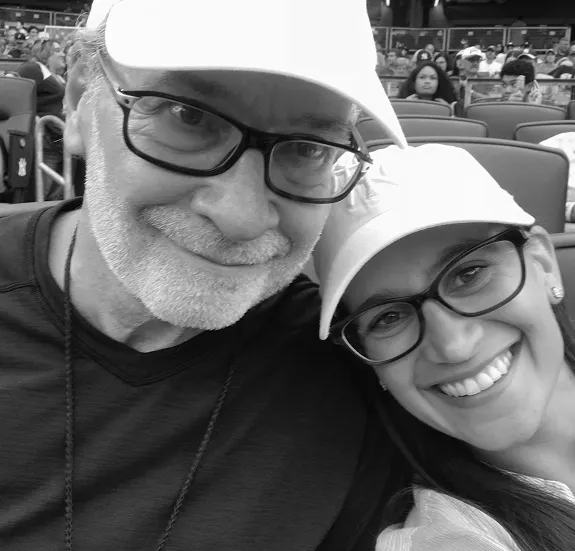
Morgan with her father

Hi, I'm Morgan.

My father was diagnosed with Parkinson's disease thirty years ago, and for most of that time my role was clear: daughter, emotional support, and Scrabble opponent.

About two years ago, I was “promoted” to primary caregiver. (Dad jokes that I'm good at getting promotions in my volunteer work.) Laughter is my best medicine, but I won't lie — this journey has had some seriously tough, sometimes heartbreaking, moments. It has also been one of the greatest honors of my life. Living both roles taught me a few things:

  • Primary caregivers really can't take a break — mentally, and sometimes physically.
  • Secondary caregivers and family want to do more, but are unsure how.
  • There is nowhere for the small things to live.
  • One medical change can take 2–6 hours of updates between pharmacies, doctors, and family.
  • Logistics fatigue is real, and it can change how we interact with the people we love most.
  • The primary caregiver usually talks to doctors the most, leaving major decisions on one person's shoulders — especially when decisions need to happen fast.

With no good system in sight, I tried to create my own: countless group texts, Google Docs, and Apple Notes… and it felt, well, not very organized or collaborative. I wholeheartedly believe every caregiver and patient deserves a better, more supported journey — and maybe permission to take a break and laugh at the situation every once in a while.

Adley began with my own experience, but it has been shaped by hundreds of conversations with patients, parents, spouses, children, friends, aides, nurses, and doctors. We built it together, with a shared belief that care deserves stronger support. For my family, it means better care for my Dad and for ourselves — and I hope it brings the same to you and yours.

In it together,

MorganCo-founder & Chief Caretaker

Our commitments

We built Adley around three simple commitments to help you navigate changing health realities with less friction and more heart.

Why we're keeping everything in one place

We tried spreadsheets, phone notes, even composition notebooks. Having everything in one place solved a lot for my family — and other families told me they face the same challenges:

  1. Versioning history: making sure everyone is on the same (and current) plan.
  2. Pop-up help: saving the mental and physical energy of having to repeat yourself when someone new steps in to help.
  3. Capturing the patient's choice and voice: privacy matters, but so does making sure everyone knows what the patient wants — and can advocate for it.

If someone needs help, it's important to have a digital copy that can be easily accessed in real time by care partners, family and doctors.

Why we're sharing the responsibilities

Care should never fall on one person, but it often does. You can see it in two places:

The spouse who needs a breakBut explaining the logistics to someone new feels like too much work.
The adult child who wants to helpBut worries that asking how adds to everyone's load.

With a chronic illness that keeps changing, the work should be shared.

Understand what's changing and what to do next

Sometimes you don't know what you don't know.

Adley acts as a quiet patient advocate. Whether you're doing this solo or with a family big enough to field a baseball team, it nudges you on when to seek help and what to ask at the next visit.

NUDGES FOR JIM

It's been 2 weeks on Rytary — how's the tremor?Quick check-in · 30 seconds
Sleep has been short 4 nights runningWorth raising at Dr. Rao's visit Thursday
"As a clinician, one of the biggest challenges is truly knowing what's happening with a patient between visits. Adley is the kind of tool healthcare has been missing."
Kelly Papesh, Nurse Practitioner · Parkinson's Disease & Movement Disorders

Let's make caregiving less lonely.